
Evolving Media Impact — Media Impact Funders (MIF)
Overview
Starting in 2013, we embarked on a foundational, decade-long partnership with Media Impact Funders (MIF), a network of foundations supporting media. Our team played a foundational role in building out MIF's impact assessment work, growing what began as a shared interest in evaluating mission-driven storytelling into one of MIF's signature program areas: the Assessing the Impact of Media (AIM) initiative.
Strategy
Our approach to the MIF partnership evolved considerably over seven-plus years of active impact evaluation. Early on, we realized that individual impact metrics don't add up to field-level understanding — proving a single piece of content moved a certain number of people doesn't tell us whether the wider field is moving in any coherent direction at all. That realization reshaped how we worked:
Mixed-Methods Project Evaluation: We led the evaluation process for the Media Impact Festival, assessing high-impact documentary films across a rigorous mix of quantitative and qualitative metrics and translating our findings into widely shared case studies for each film.
Field-Level Sensemaking & Cohort Building: Rather than auditing isolated pieces of content, we shifted toward facilitating sensemaking at the level of the whole field. We designed research and measurement frameworks built not just as single-project tools, but as ways to help cohorts of funders think together — including formalizing MIF's Journalism Funders Network into a year-round program.
Ecosystem Analysis & Landscape Scans: We mapped specific sectors to guide philanthropic strategy, including a Pittsburgh journalism ecosystem analysis and a global journalism funding research scan (supported by the Gates Foundation) — surveying the state of the field and translating on-the-ground practitioner insight into synthesis funders could actually act on.
Continuous Resource Curation: To keep the field current on fast-moving challenges like misinformation and journalist safety, we produced a monthly media impact newsletter and launched a searchable digital library of impact research.
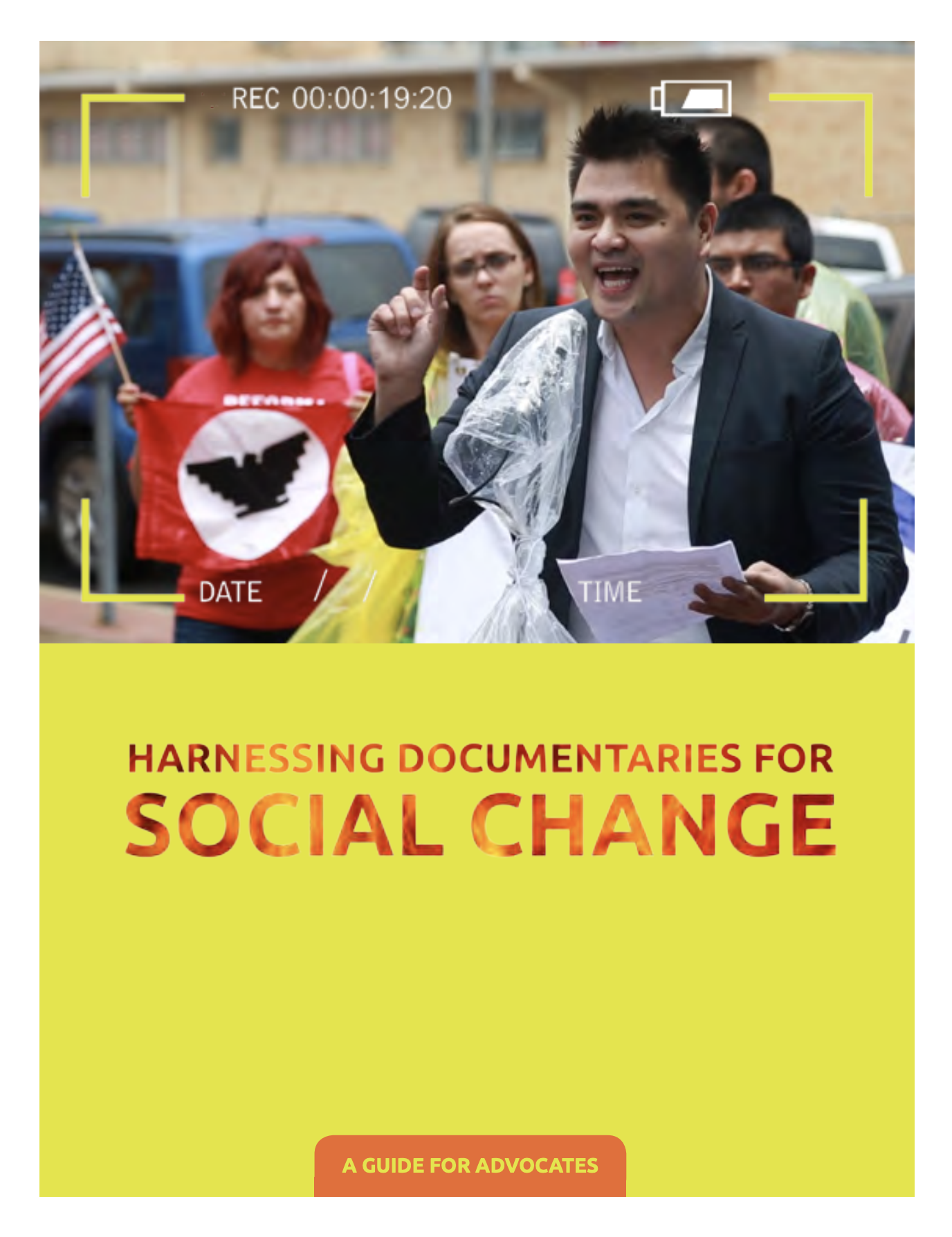
Tools & Reports for the Field: Across this work, we produced a range of practical tools and reports built specifically for journalists, documentary filmmakers, and funders trying to measure and communicate their impact — from evaluation frameworks and metrics guides to the case studies and syntheses above — so that measurement wasn't just something funders did to the field, but something practitioners could use themselves.
Key Insights
The core strategic insight from this body of work: measuring the outputs of the present is only the first step. Funders need shared frameworks to understand the larger narrative ecosystems they're building together. This foundational work in impact assessment naturally led us toward our future-facing foresight and worldbuilding practice — proof that evaluating past impact and imagining future systems are deeply intertwined.
Impact
This partnership established core measurement frameworks the field still uses today. Local ecosystem analyses, like the one we conducted in Pittsburgh, led to real, localized philanthropic investment. It all culminated in the 2020 publication of Decoding Media Impact: Insights, Advice & Recommendations — a synthesis of seven years of field research authored by Katie Donnelly and presented at the Sundance Film Festival.