
The Dot Connector Story
Storytelling, systems change, and futures worth building.
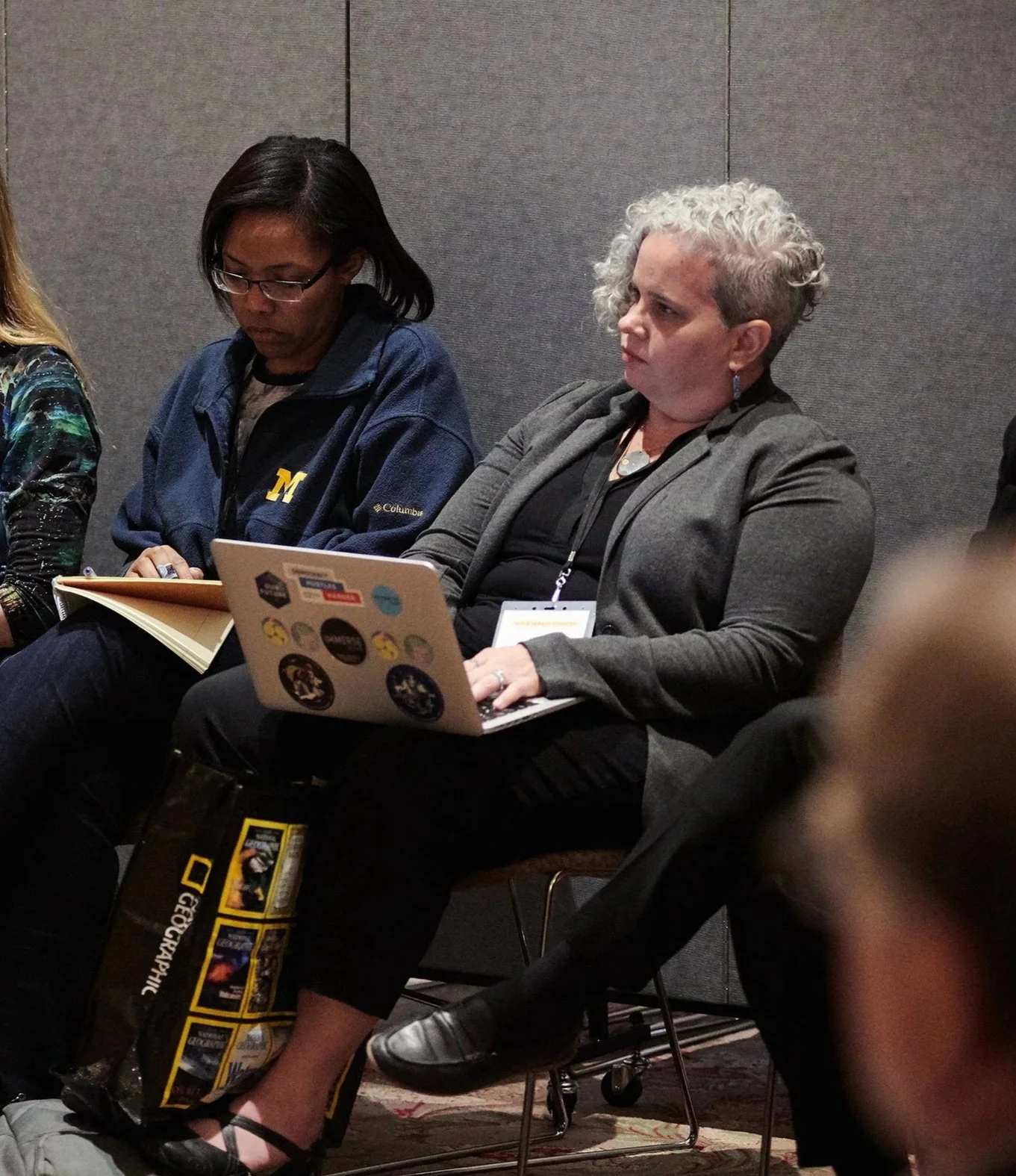
Dot Connector Studio was founded in 2013 by Jessica Clark and Katie Donnelly, united by a shared conviction: media shouldn't just inform—it should transform. Both founders brought years of media research experience into the partnership, and from the start, the studio combined that research grounding with strategy and storytelling in the emerging field of media impact—helping foundations, journalists, and creators understand not just what stories reach audiences, but how those stories change the world.
Over many years, Dot Connector convened many funders and grantees to think about shared visioning and shared impact—leading a long term futures learning journey for the fields of journalism, media, democracy, civic life. Our early work focused on how to understand how messages move across ecosystems, how to think of new frameworks to measure success rather than co-opting existing capitalist models, how to think at a systems and field wide level rather than at the level of individual projects.
Expanding the Mission
Our emerging work revealed to us that we were more than media impact professionals, we were futurists—imagination and strategic foresight practitioners. We had been leading a long-term foresight, research, and collective visioning learning journey for the field of media impact.
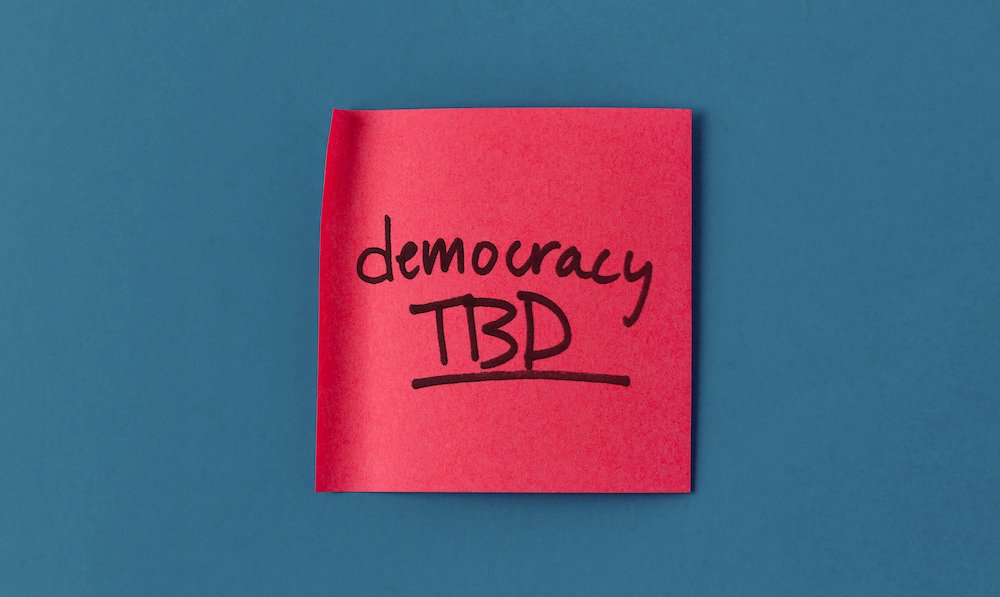
In 2020, after great societal disruption and the collapse of traditional media, our organization awakened to this truth about ourselves when our founder Jessica Clark formally embraced that we are a futures organization and claimed the hat of “futurist.” In 2020, Dot Connector partnered with the Democracy Fund on Democracy TBD—a scenario-planning project convening diverse thinkers to imagine the future of American democracy. That same year, we produced Reconstructing American News for the Ford Foundation, mapping pathways toward a more inclusive and sustainable media industry.
This period also culminated years of research through our partnership with Media Impact Funders: Decoding Media Impact synthesized seven years of field research into the impact of social-change media, and tools like the Impact Pack and the Journalism DEI Wheel turned that research into resources funders and creators could put directly into practice.
Our work grew increasingly multidisciplinary, expanding our remit and working across the fields of health, democracy, narrative strategy, pop culture, government, politics, arts, culture, media, tech, and more. We continued to trace the waves of rapid change in our society and the futures emerging everywhere all the time, mapping the ways in which all systems are constantly co-shaping one another.
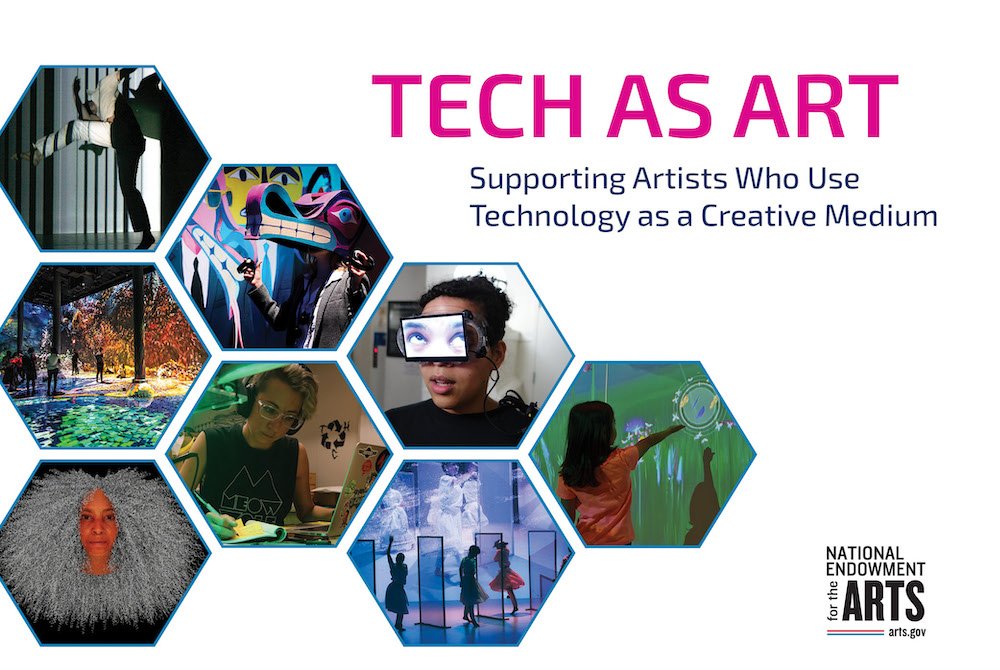
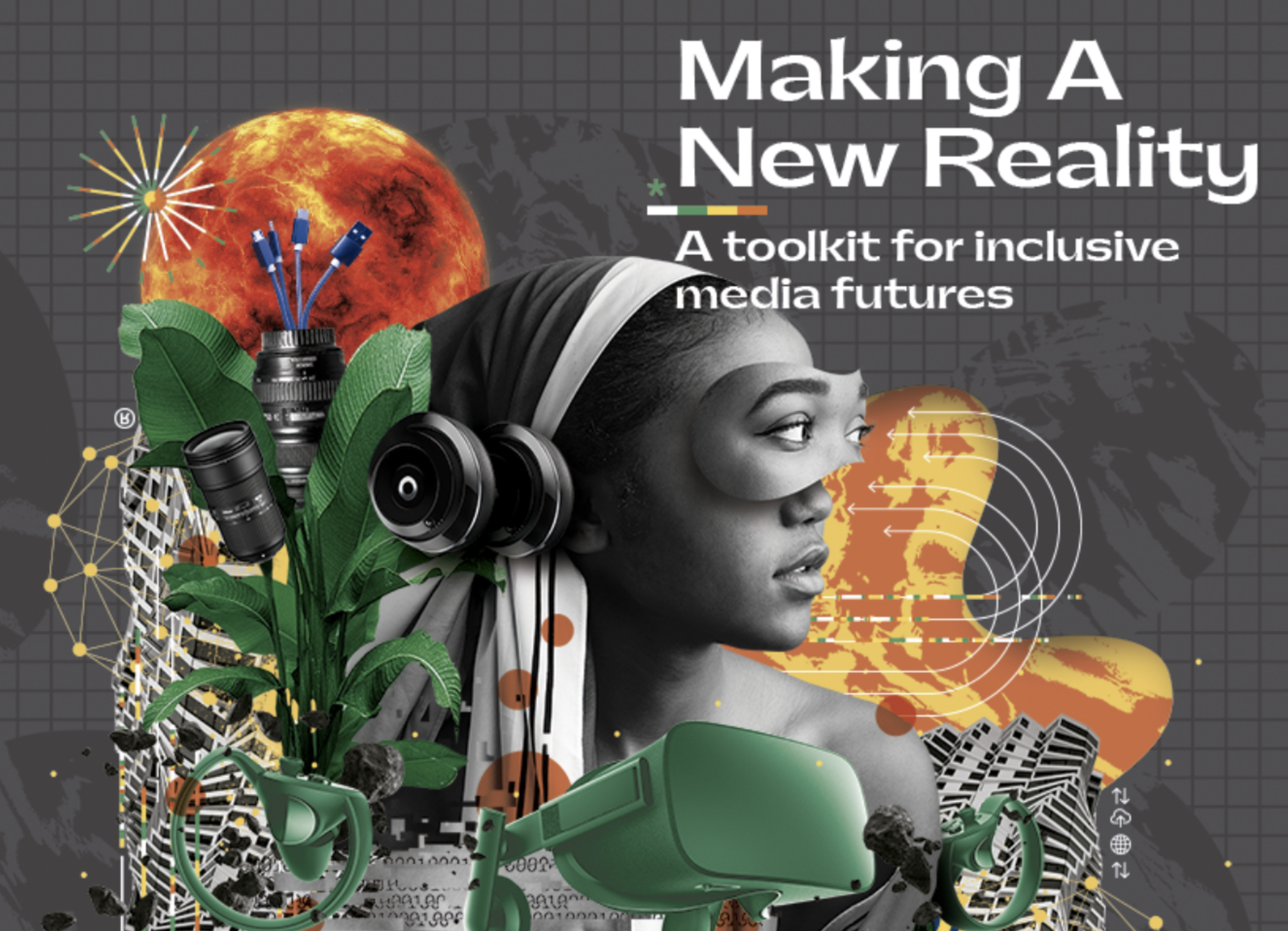
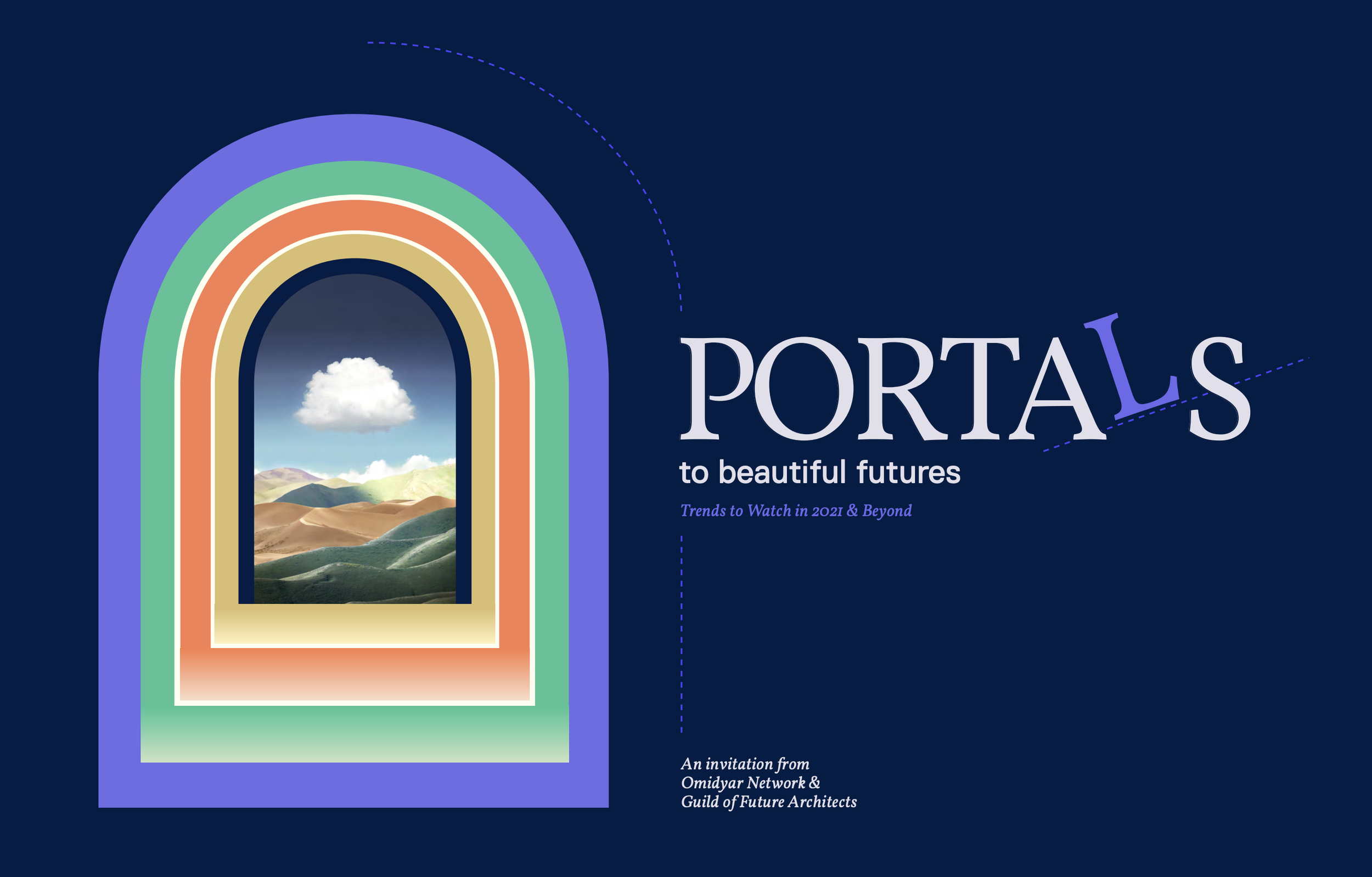
We partnered with 8 Bridges Workshop and the National Endowment for the Arts to produce Tech As Art: Supporting Artists Who Use Technology as a Creative Medium—a joint Knight and Ford Foundation-funded field scan that was adopted into university curricula at USC, Stanford, and Barnard. Consistent with our practice of turning research into usable tools, we collaborated with Kamal Sinclair on the Making A New Reality toolkit, equipping practitioners to make emerging media (VR, AR, and social platforms) more diverse and equitable. We collaborated with the Guild of Future Architects on Portals to Beautiful Futures—a visionary report imagining life beyond the pandemic, published with support from Omidyar Network.
Our broad view is that true systems change requires transformation across a broad range of systems that are often not in conversation with each other—and not often looked at as interlocking points of transformation in the work of futuring, media, and narrative change. We look at how the pull of money, power, behavior, narratives, technology, and culture all are constantly pulling at one another to renegotiate who owns the imagination of the future.
Embracing Restoration
In 2022, Jessica Clark became Futurist-in-Residence at the Robert Wood Johnson Foundation, exploring the intersection of media and health equity. This deepened the studio's growing commitment to futures thinking—exploring how art, media, and democracy can evolve in more just and imaginative directions.
That same year, Evan Walsh joined the team, after having collaborated with Jessica and the Guild of Future Architects on a pilot New/s Incubator. Evan helped the studio pivot more fully into futuring work and brought new energy to collaborations with the Pop Culture Collaborative, exploring how digital communities and narrative change strategies can inspire millions to resist toxic forces and build more pluralist societies.
Over the arc of our work, we’ve realized the futures we’re working toward demand new ways of working now—ones rooted in rest, care, and genuine connection. That ethos now shapes how we engage with each other and with our clients. What began as a strategy firm has become an internal compass: a set of shared tools and values that help us and our partners navigate toward futures that are just, inclusive, and deeply human.
In 2025, Robert Wood Johnson Foundation created the report THE FUTURES WE CREATE: DEMOCRATIZING THE IMAGINATION OF THE FUTURE, authored by Jessica. The report shares RWJF’s learnings from years of funding futuring practitioners—artists, organizers, social workers, youth leaders, and visionaries—who are expanding who gets to imagine what's possible.
In October 2025, we tragically lost Jessica Clark. Our team continues to carry her legacy forward in our new chapter. In her honor, we have launched a new nonprofit arm, The Institute for Restoration and Imagination. The Institute is an emerging expression of our dedication to picking up the torch from Jessica. Through this, we hope to honor Jessica’s brilliance as animated through the uniqueness, beauty, vocation, and passion projects of our team and community.
Imagination is a field of struggle, not an ephemeral afterthought that we have the luxury to dismiss or romanticize.
— Ruha Benjamin, Imagination: A Manifesto