
Detroit Care Lab — McGregor Fund
Overview
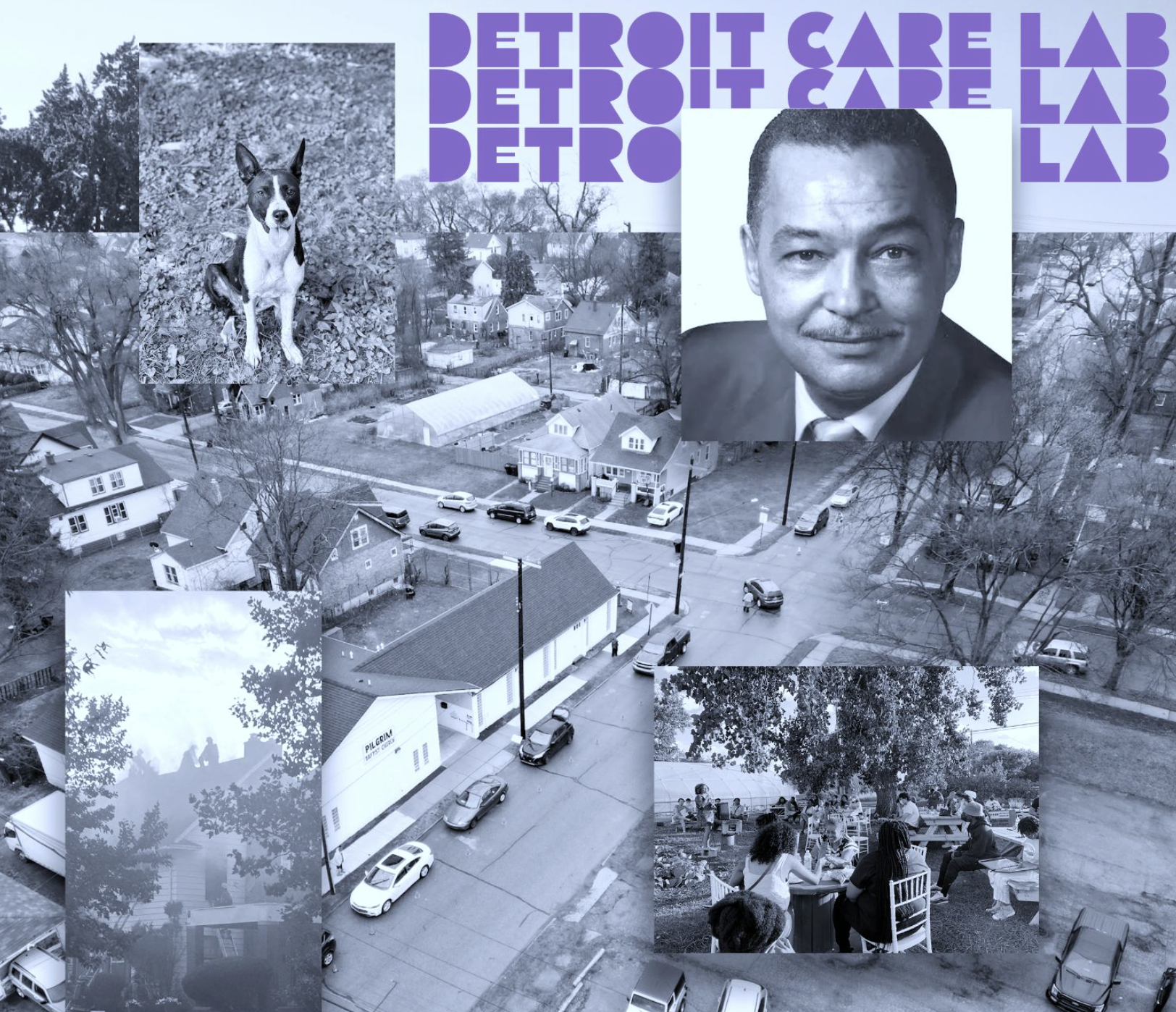
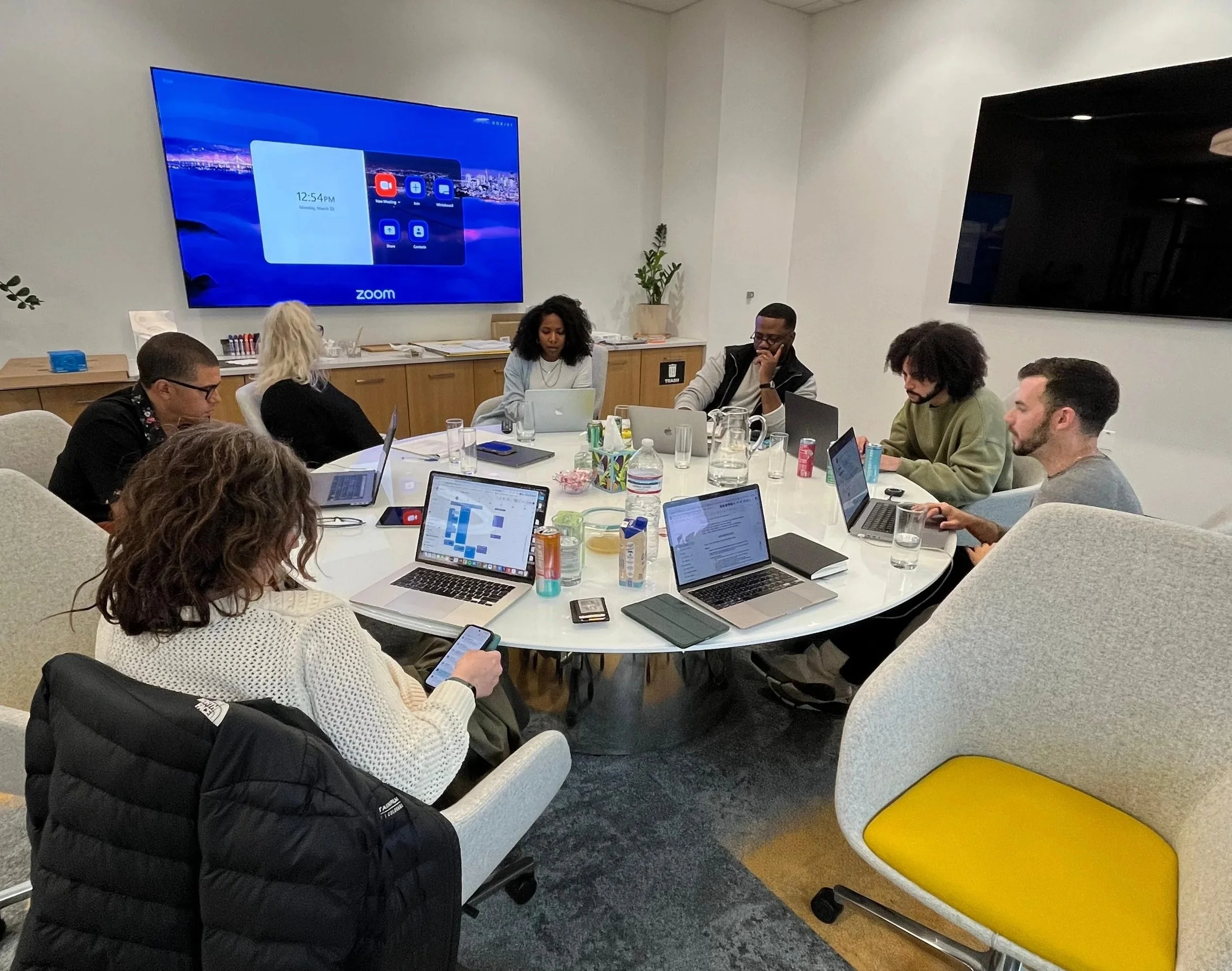
Between September 2025 and March 2026, we partnered with the McGregor Fund in to bring the Detroit Care Lab to life—a space where radical imagination, strategic foresight, and collective care come together to build a more equitable future for Detroit. The Lab is a futures learning initiative convened with and for McGregor's grant partner community, designed to create a safe and inspiring space to rest, dream, and imagine Detroit's future. We rooted the practice in a recognition that community organizers, nonprofit leaders, and social change practitioners operating in Detroit are navigating an extraordinary moment defined by political uncertainty, cascading crises, and the ever-present risk of burnout. What began as a set of contained workshops grew into something bigger—the first chapter of a longer-term vision for responsive capacity building and community care.
Strategy
We wove community building, restorative space, and futures visioning together throughout — care was at the core of the Lab’s design. We operated under the framework of "relationship as infrastructure," and brought it to life through:
Virtual Grounding & Collective Visioning: We opened with a virtual workshop in February 2026, where participants honored their ancestors and descendants. Together they wrote into a shared prompt — "In the Detroit I Dream…" — generating a collective, radical vision for the city that seeded everything we built in person afterward.
The Futurist Writers' Room (FWR): During an in-person immersion day in March 2026, we used this methodology to blend trend-sensing with speculative scenario-building. Participants imagined alternative histories — what if the Black Bottom and Paradise Valley neighborhoods had survived the 1960s? What if the Care Lab had guided Detroit's 2013 bankruptcy restructuring? — and projected those realities forward into alternate futures.
Strategic Foresight Learning Journey: We introduced participants to signal spotting and the Dator Four Futures archetypes, naming foresight's military and colonial origins even as we centered liberatory traditions — specifically the convergence of Afrofuturism and strategic foresight in philanthropy. Participants also worked through a backcasting exercise, imagining a radically transformed, care-centered Detroit in 2040.
Care as a Design Principle: Regional care futures treat somatic grounding and genuine nourishment as necessary preconditions for imagination, not extras. We built digital and physical altars, invited people to step away and rest, made room for children to be present, and broke bread together in community.
Key Insights
The clearest strategic insight to come out of this work: rest is a precondition for futuring. The most generative imagination happens when essential workers are genuinely held, not asked to perform resilience on top of everything else. We also saw that imagination and grief aren't opposites — participants often named preventable losses, mourning people who would still be alive in the futures they were imagining. Strategically, the work proved that futures practice lands hardest when it's rooted in specific local history — treating Detroit as a site of origination, not a story of decline or comeback. Across every exercise, one throughline held: a demand for sovereignty over land, narrative, and care systems.
Impact
The Detroit Care Lab planted the seeds of a deep, interdisciplinary ecosystem among regional care practitioners, strengthening cohesion and cross-sector relationships across the grant partner network. Together, we're moving beyond the traditional, crisis-driven "social safety net" toward something more interdependent: an ecosystem of care. The highly specific, narrative-driven container proved something we carry into every engagement: how space is held dictates what becomes possible to imagine. And the project surfaced a real appetite among participants for continued convenings and dedicated funds for experimentation — a clear signal to the philanthropic sector about how it needs to evolve to support the people doing the most essential community work.